


Rosé Sangria | The Flower Tile
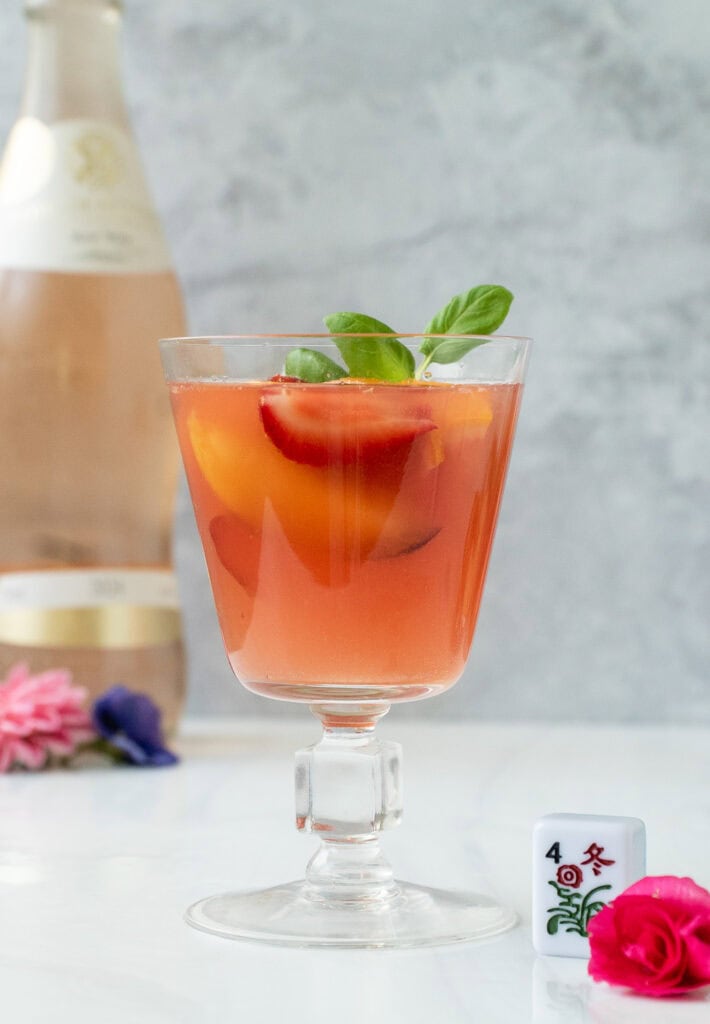
Some drinks are made to be seen. The Flower Tile is a rosé sangria built around the best citrus of the season — fresh-squeezed Cara Cara and blood orange, ripe peaches, elderflower, and basil — steeped overnight until the pitcher turns the color of a late summer sunset. It’s the first in a series of cocktails inspired by the mahjong tileset, but you don’t need to know the game to appreciate the drink. You just need a clear pitcher and a reason to gather.
🩵 Why You’ll Love this Drink
- It’s a make-ahead dream. The overnight steep isn’t just a suggestion — it’s where all the magic happens. Do the work the night before and walk into your gathering completely relaxed.
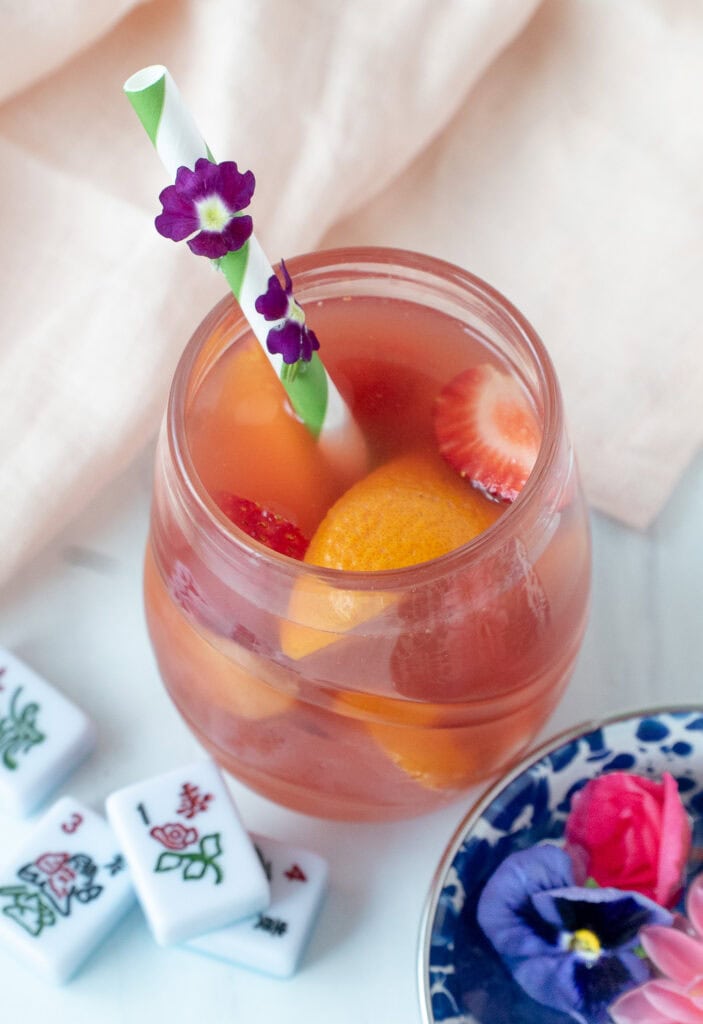
- It’s as beautiful as it is delicious. Blood orange and Cara Cara turn the pitcher a deep, jewel-toned blush. Serve it in a clear pitcher and let it do the talking before anyone even takes a sip.
- It scales effortlessly. Double the pitcher for a crowd or keep it intimate. The ratios hold up either way.
- It tastes like summer in a glass. Ripe peaches, fresh citrus, floral elderflower — it’s the kind of drink that makes people ask for the recipe before they’ve finished the first pour.
- It works for almost any occasion. Game night, a backyard dinner, a bridal shower, a Tuesday. This sangria doesn’t need a reason.
Grab the free Mahjong Night Hosting Guide Below
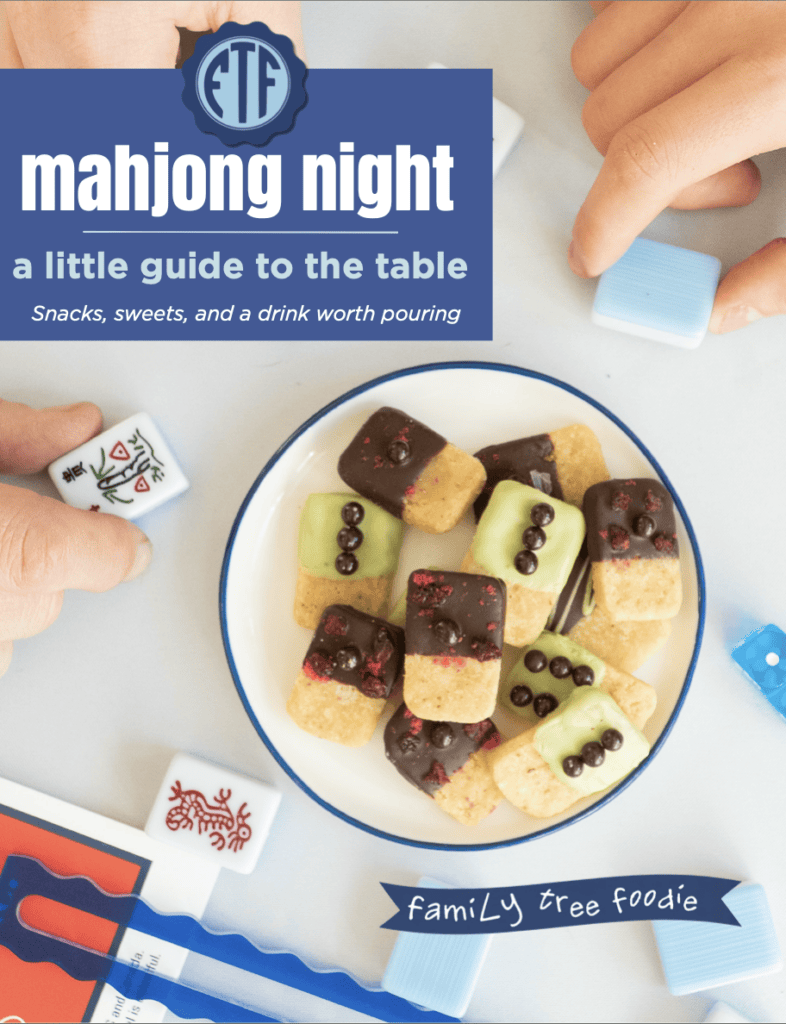
A free hosting guide from Family Tree Foodie — a full menu, a warm artichoke dip with miso and chili crisp, brown butter shortbread tiles, and a rosé sangria worth pouring. Plus hosting tips to keep the food simple and the night memorable.
Everything on the table, all in one place.
Drop your email below and I’ll send it straight to you.
More Recipes You Might Like
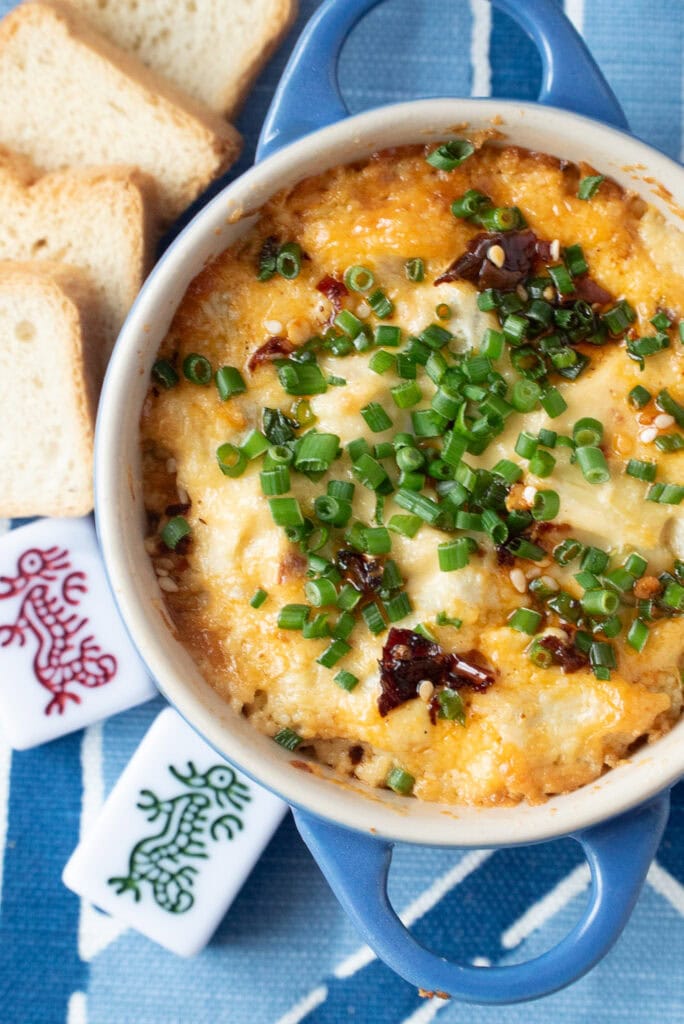
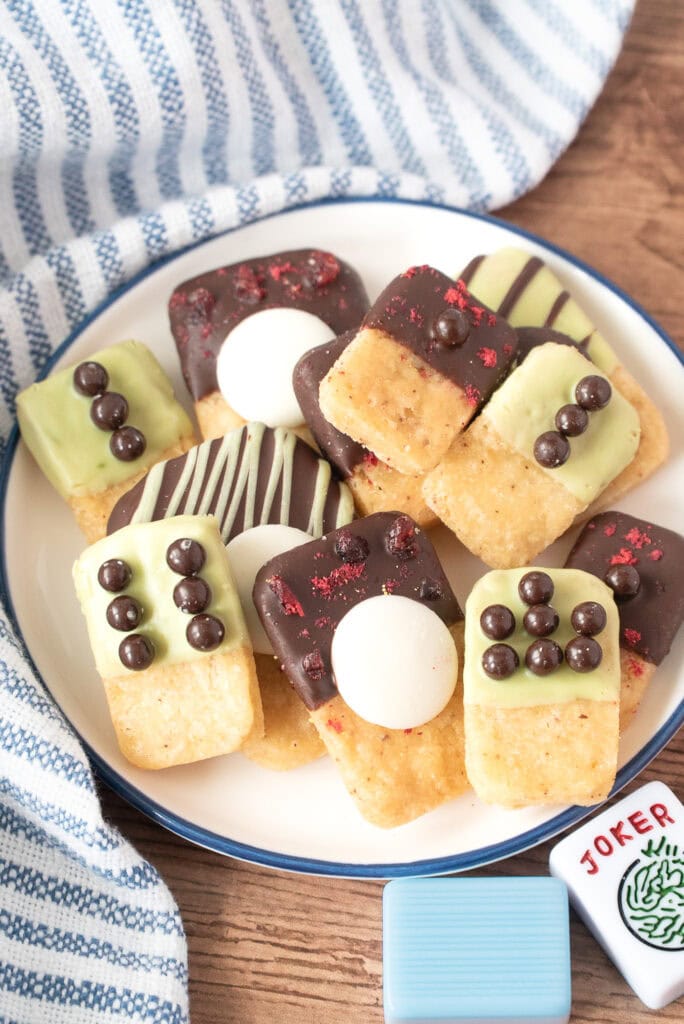
The Flower Tile is part of a growing collection of mahjong-inspired recipes over at the Mahjong Night Party Food hub — a table built for long games and even longer conversations. If you’re building out a spread, the Brown Butter Shortbread Tiles are the easiest make-ahead sweet on the table, and the Lucky Dragon Dip — a miso and chili crisp take on warm artichoke dip — handles the savory side beautifully. Pour the sangria, set the tiles, and the table takes care of the rest.
What is The Flower Tile Anyway?
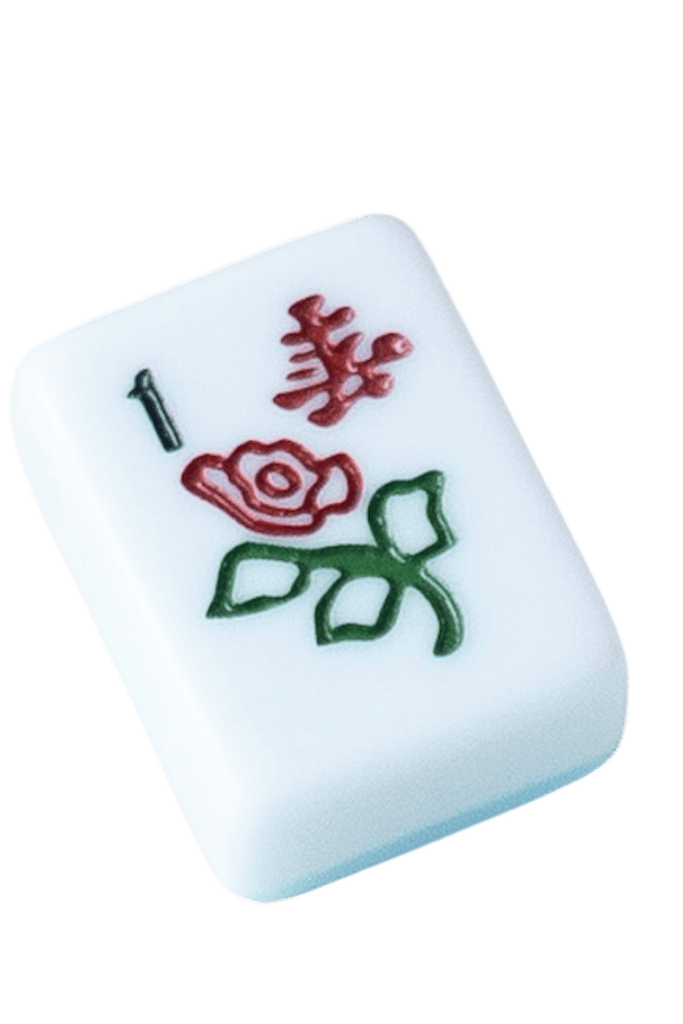
In mahjong, the Flower tiles are a special category — decorative, optional, and a little outside the rules that govern everything else. They don’t belong to a suit or a sequence. When you draw one, you set it aside, display it, and draw again. They’re considered lucky, and in many sets they’re the most beautiful tiles on the table.
That felt like the right name for a sangria.
The Flower Tile is the first drink in a series built around the mahjong tileset — each one a translation of symbol, suit, or season into something worth pouring. If you’re a mahjong player you’ll recognize the references. If you’re not, you’ll just have a very good drink.
Ingredients
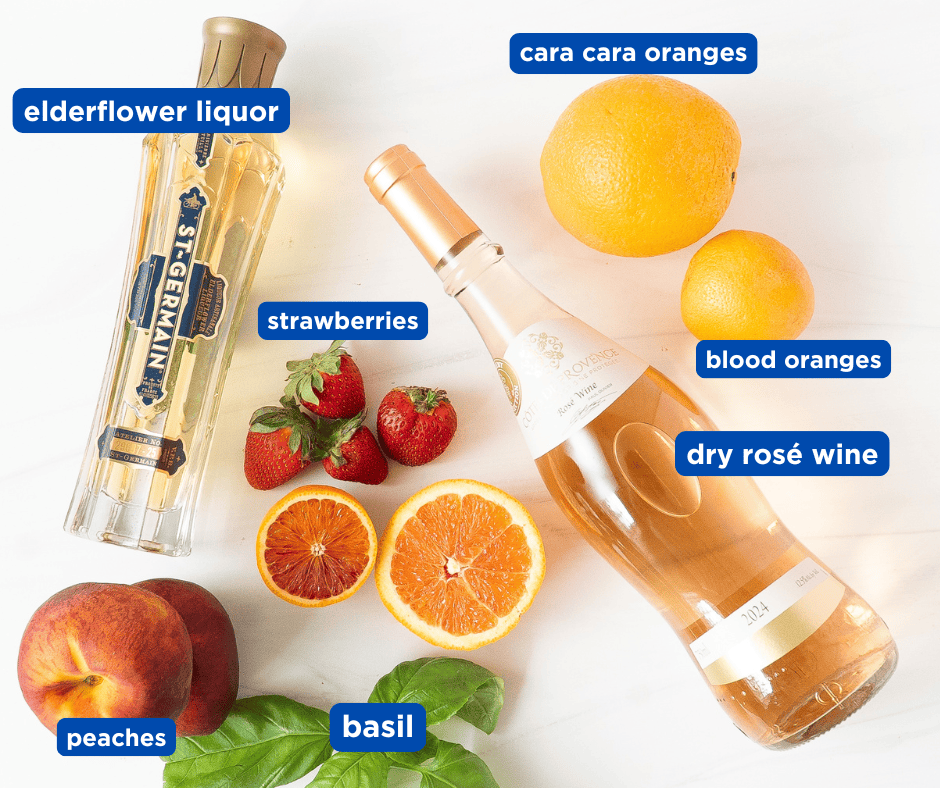
A few notes on the ingredients— and why each one earns its place in the pitcher.
- Dry Rosé — The base of the sangria. Look for a Provençal-style rosé; dry and light keeps the drink from tipping too sweet. This is not the moment for a sticky pink wine.
- Elderflower Liqueur — St-Germain is the move here. It adds a delicate floral layer that ties the whole drink together without announcing itself. Start with less than you think you need.
- Blood Orange & Cara Cara — You’ll use both for fresh-squeezed juice and for slices in the pitcher. Blood orange brings deep color and a tart, berry-edged bite; Cara Cara is sweeter and more floral. Together they’re better than either alone.
- Ripe Peaches — The softer and riper the better. They steep overnight into the wine and add a subtle stone fruit sweetness that you’ll taste more than see.
- Basil — Fresh sprigs steeped right in the pitcher. More interesting than mint here — it has a quiet floral, almost anise quality that plays beautifully with the elderflower and peach.
- Strawberries (not pictured) — Added in the last hour or two before serving so they hold their shape and color. Don’t skip them; they add brightness and a pop of red against the blush of the rosé.
- Sparkling Water or Prosecco (optional) — A splash per glass right before serving adds a little life to the pour. Either works; prosecco makes it a party.
Step-by-Step Instructions
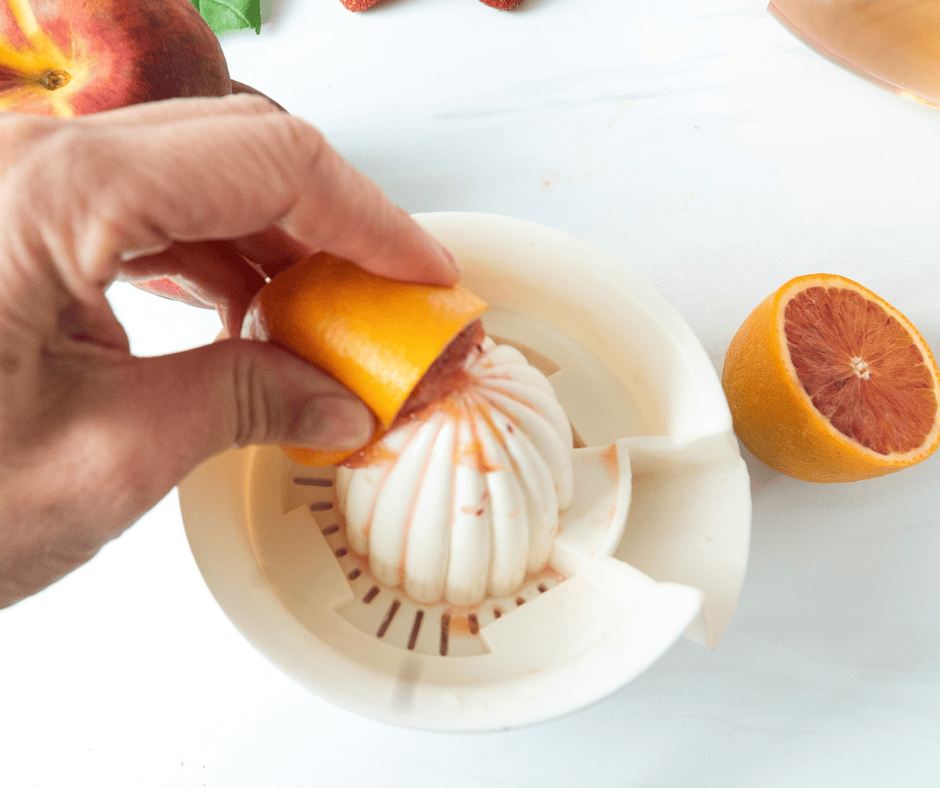
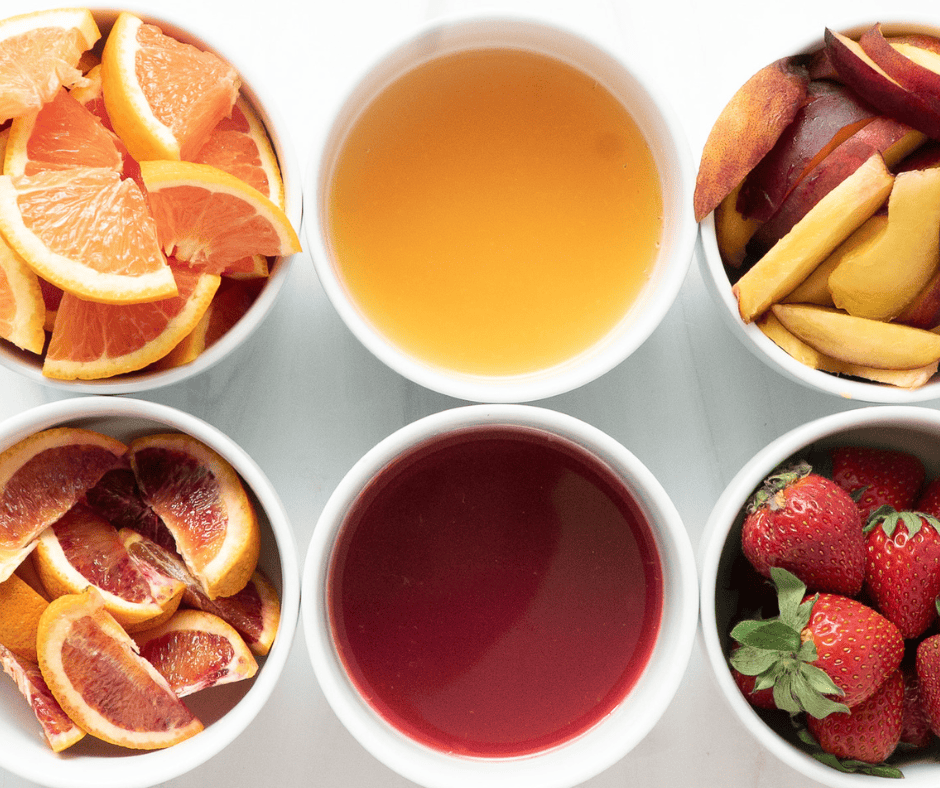
- Start by juicing your Cara Cara and blood oranges — you’ll need about a cup of fresh juice total. Strain out the seeds and pulp.
- Prep your fruit: slice the oranges into ¼” half-moons, cut the peaches into ¼” half-moon wedges skin-on, and slice the strawberries vertically into ¼” slices. Set the strawberries aside — they go in later.
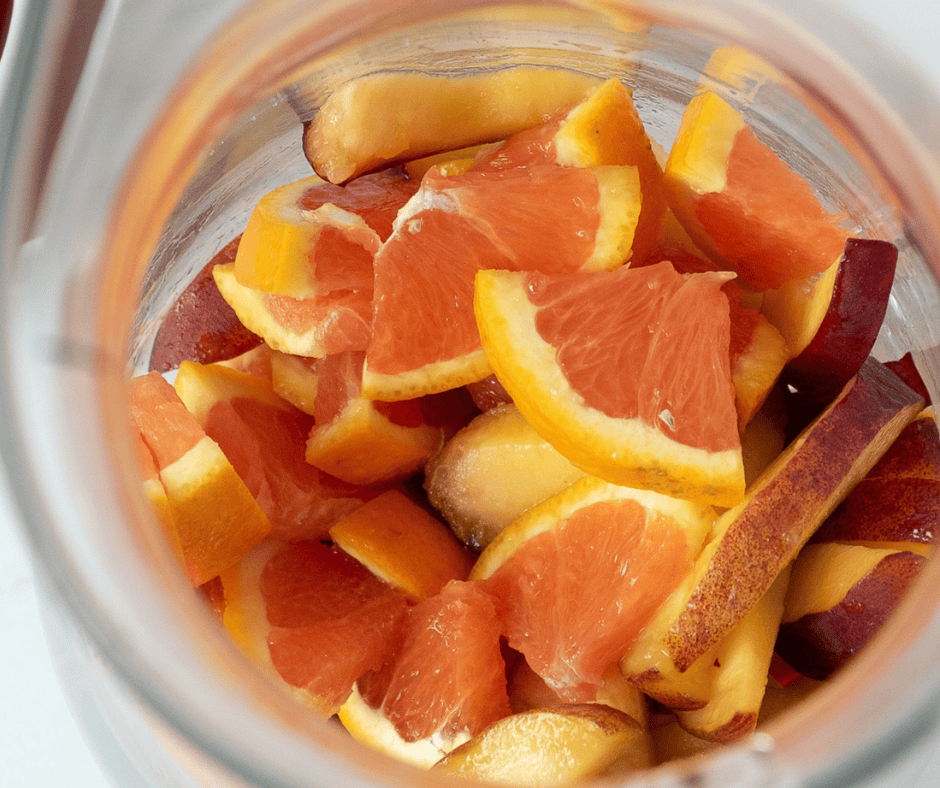
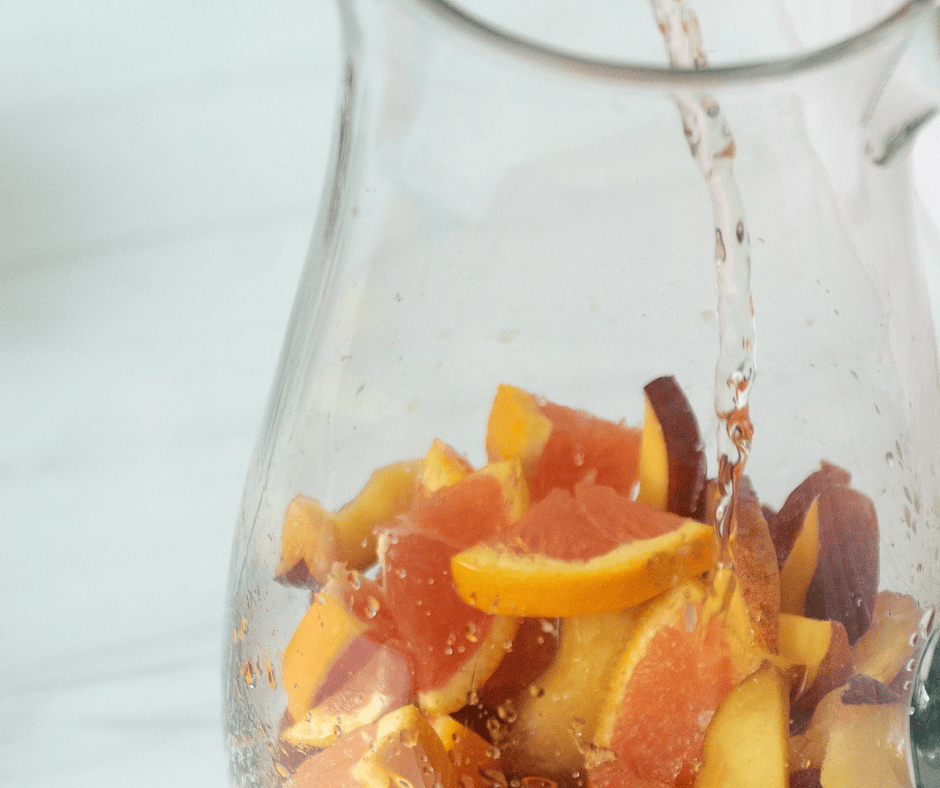
- Add the orange slices and peach wedges to a large clear pitcher.
- Pour in the full bottle of rosé, followed by the fresh-squeezed citrus juice.
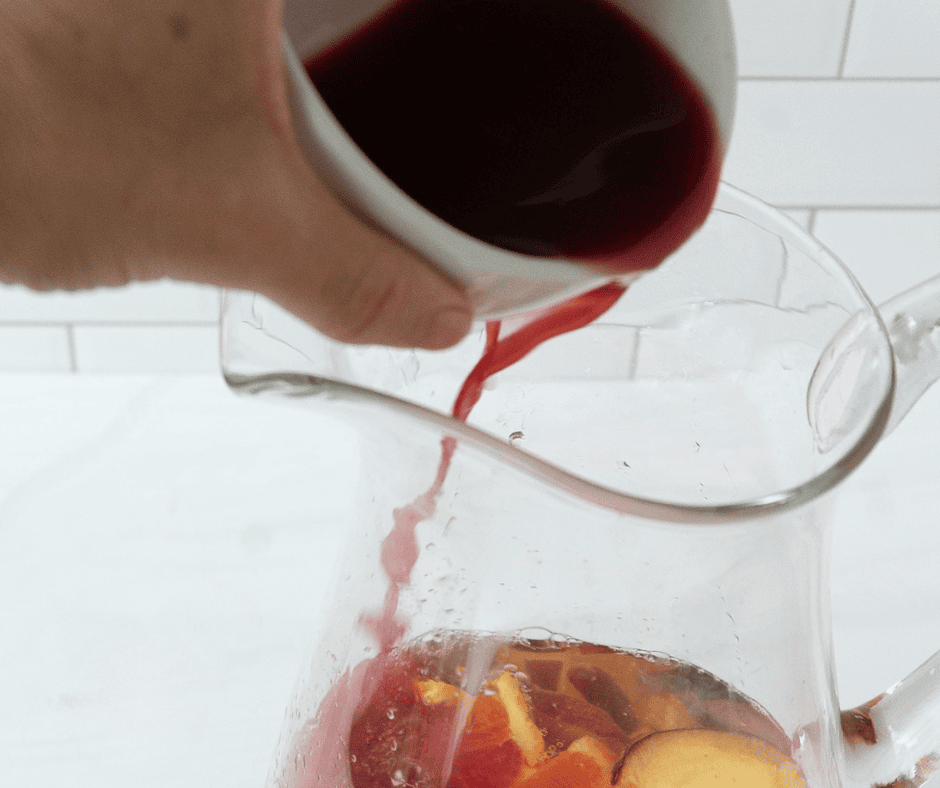
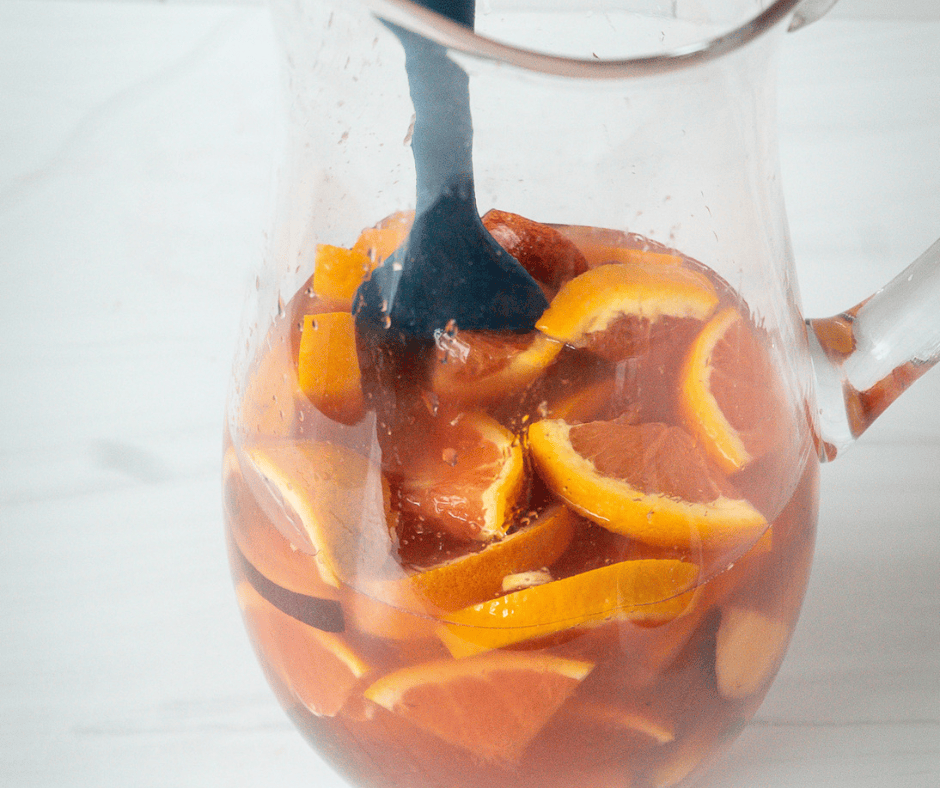
- Add the elderflower liqueur and stir everything together gently. Tuck in a few fresh basil sprigs, cover, and refrigerate overnight — or for a minimum of 8 hours. The fruit will slowly steep into the wine, deepening both the flavor and that gorgeous blush color.
Add the reserved strawberries to the pitcher about an hour before serving. When ready, fill glasses with ice, ladle in the sangria with plenty of fruit, and finish with a splash of prosecco or sparkling water if you like.
Rosé Sangria | The Flower Tile
This is the sangria you make the night before and walk away from. Blood orange, Cara Cara, ripe peach, and elderflower steeped in dry rosé until the pitcher turns the color of a late summer sunset.
- Total Time8 hours 20 minutes
- Yield4-5
Ingredients
- 750 milliliters dry rosé wine (Provençal-style preferred)
- 1 cups fresh squeezed juice from Cara Cara and blood oranges, strained
- 2 tablespoons elderflower liqueur (St-Germain)
- Half of a Cara Cara orange, cut into slices
- Half of a blood orange, cut into slices
- 1 ripe peach, sliced into wedges, skin on
- 5 strawberries, hulled and sliced vertically (added at serving)
- 3 fresh basil sprigs
- 1 cups sparkling water or prosecco, to finish (optional)
- optional edible flowers, to garnish (rose petals, pansies, or viola)
Instructions
- Juice enough Cara Cara and blood oranges to yield 1 cups fresh squeezed juice total. I like using a half cup of each. Strain and set aside. Reserve the spent halves — you’ll slice your garnish oranges from fresh ones.
- Prep the fruit: Slice half of a Cara Cara orange, half of a blood orange and ripe peach (skin on) into wedges. Add the orange slices and peach to a large clear pitcher. Set strawberries aside — they go in later.
- Build the sangria: Pour a bottle of dry rosé wine (Provençal-style preferred) rosé over the fruit, followed by 1 cups fresh squeezed juice from Cara Cara and blood oranges, strained fresh citrus juice and 2 tablespoons elderflower liqueur (St-Germain) elderflower liqueur. Tuck in 3 fresh basil sprigs basil sprigs and stir gently to combine.
- Steep overnight: Cover the pitcher and refrigerate overnight, or for a minimum of 8 hours or overnight. The fruit will slowly infuse the wine while soaking up all that floral, citrusy flavor. Don’t overcrowd — a sparsely adorned pitcher steeps more cleanly and pours more beautifully.
- Add strawberries: About an hour before serving, add 5 strawberries, hulled and sliced vertically (added at serving) sliced strawberries to the pitcher. They steep quickly and hold their shape and color best when added close to serving time.
- Serve: Fill glasses with ice and ladle in the sangria with a spoonful of fruit. Finish each glass with a splash of 1 cups sparkling water or prosecco, to finish (optional) if using. Garnish with a fresh basil sprig and 1 edible flowers, to garnish (rose petals, pansies, or viola) edible flowers.
Notes
Keep it sparse. The biggest lesson from testing this recipe — less fruit makes a better drink. You want the pitcher to look abundant, not overcrowded. Too much fruit breaks down overnight and muddies the wine.
Blood oranges vary in size. Use half to one depending on what you find — they tend to run small. Half a Cara Cara goes a long way since they’re significantly larger.
Elderflower is potent. Start with 2 tablespoons and taste after steeping. It should be a background note, not the headline.
Sparkling finish is optional but lovely. Prosecco makes it festive; sparkling water keeps it lighter. Either way, add it glass by glass at serving, never to the whole pitcher.
- Prep Time: 20 minutes
- Cook Time: 8 hours
- Category: Beverage